
A good applique file is planned in the right order. The placement stitch has to land exactly where the fabric will sit, the tack-down has to catch the fabric without pulling it out of shape, and the cover stitch has to sit neatly over the raw edge. If any step is set wrong, the fabric can shift, the edge can poke out, or the border can look uneven. That is why applique digitizing is a separate skill from ordinary flat embroidery digitizing.
The Three Stitch Stages, in Order
Every applique design built by Accurate Digitizing follows the same three-stage sequence, because the machine can only do one job at a time. First comes the placement stitch. This is a simple running stitch that marks the exact shape and position of the applique piece on the garment. It is a guide for the operator, and it is also a check. If the placement stitch lands in the wrong spot, the operator can see the problem before any fabric is cut or stitched down. The placement line is kept clean and simple, with no extra stitches that could confuse the next step. Second comes the tack-down stitch. After the operator lays the applique fabric over the placement outline and trims it close to the line, the machine runs a tack-down stitch just inside the placement line. This holds the fabric flat and stops it moving while the cover stitch is worked, following curves smoothly so the fabric does not pucker or lift at the bend. Third comes the cover stitch, the visible border that finishes the design. It is usually a satin stitch, and its width and density are chosen for the fabric underneath. A wider cover stitch hides a thicker edge, such as felt, while a narrower one suits a thin twill that lies flat. A steady width, an even density, and a smooth turn at corners make the difference between a neat finish and an uneven one. Each stage is a separate object in the file, so the machine stops between stages and the operator has time to place, trim, and check the work.
Cutting Templates and Cut Files
An applique file is only half the job if the operator still has to guess the shape of the fabric piece. Accurate Digitizing supplies cut files for the applique fabric with the embroidery file, so the fabric piece can be cut to the right shape before it goes on the machine. The cut file follows the same outline as the placement stitch, with a small allowance for trimming. That allowance matters. Cut the piece too small and the cover stitch will miss the edge. Cut it too large and the operator spends extra time trimming close to the line while the garment sits in the hoop.
For designs with more than one applique piece, each piece gets its own placement and tack-down sequence, stitched in an order that keeps earlier pieces flat while later pieces are added. If a small piece is stitched first, a large piece laid over it can cover it or push it out of place, so the sequence is planned in advance. The file notes name each piece so there is no confusion when several shapes are involved.
Fabric Choices: Twill, Felt, Leather, and Vinyl
The fabric you choose for applique changes how the file must be built. Twill is the most common choice, and it is popular for a reason. It lies flat, it cuts cleanly, it holds its shape in the hoop, and it takes a satin cover stitch well. Twill applique digitizing is the standard for team wear, varsity jackets, and workwear, where the design has to survive regular washing and wear. The cover stitch width for twill is set to grip the edge without sinking into the weave.
Felt is softer and thicker, and it needs a different approach. Felt does not fray the way woven fabric does, so the cover stitch can be a little narrower, but the tack-down has to hold a thicker piece flat without creating a ridge. Felt suits baby clothes and soft items, where a stiff edge would feel uncomfortable, and it gives a matte finish that suits simple shapes and bold letters.
Leather and vinyl need the most care. Both are stiff, both can be marked by needle holes, and neither forgives a mistake. The placement and tack-down stitches are kept to the minimum needed to hold the piece, because every extra needle hole in leather stays visible. The cover stitch is set wide enough to cover the cut edge cleanly in one pass, so the machine does not go over the same edge twice.
When Applique Beats Full Fill Embroidery
Full fill embroidery has its place, but it is the wrong tool for a large solid area. Filling a large shape with thread uses a high stitch count, makes the garment heavy and stiff, and takes a long time on the machine. Applique solves all three problems at once. A piece of fabric covers the large area, the stitch count stays low, the garment stays soft, and the machine finishes faster. For a large letter on a jacket back, a big number on a team shirt, or a wide shape on a tote bag, applique is usually the better choice.
Applique also wins on texture. A fabric piece adds a layer of colour and material that thread alone cannot give, and that texture is part of the design, not an extra. Because the stitch count is lower, the machine time is shorter, and the file price stays flat at $15 for applique, even when the design covers a large area. Applique is not always the answer. Small details, fine lines, and photographic shading still need ordinary embroidery. But when the shape is large and bold, applique is the practical choice.
Applique on Jackets, Baby Clothes, and Team Wear
Varsity jackets are the classic home for applique. Large chenille-style letters, school names, and team crests all suit the method, because the shapes are bold and the fabric piece gives them weight without making the jacket stiff. The placement stitch is set to sit straight on the jacket back or chest, and the tack-down is planned for the thick jacket fabric underneath, which needs a firm hold. The cover stitch is wide enough to finish the edge cleanly on a garment that will be worn hard and washed often.
Baby clothes need the opposite care. The fabric piece must lie flat, the edge must be fully covered, and nothing rough should sit against the skin. Felt and soft cotton are common choices here, with a smooth satin cover stitch that hides the raw edge completely. The design is kept simple, with no small loose pieces that could lift.
Team wear sits between the two. Names, numbers, and logos need to be clear from a distance, and they need to survive repeated washing. Twill is the usual fabric, with a firm tack-down and a cover stitch that holds up in the wash. For a team order, the same file can be used across shirts, jackets, and bags, as long as the size and placement are checked for each item.
Combining Applique With Flat Embroidery in One Design
Some of the best applique designs are not applique alone. A large applique shape can carry flat embroidery on top of it, or beside it, in the same file. A twill letter can have a small embroidered detail stitched across it. A felt animal shape can have embroidered eyes, a nose, and whiskers worked directly onto the fabric piece. A team crest can have an applique background with the team name embroidered in satin stitch across the centre. Combining the two methods in one design gives a finished item more depth than either method alone.
The order matters when the methods are combined. The applique piece is placed, tacked, and covered first, so it lies flat before any detail is added. Then the flat embroidery is stitched on top, with underlay and density set for the applique fabric underneath, not for the garment fabric below it. The file is built as one sequence, with machine stops only where the operator needs to act, so the design runs as a single job from placement to final detail.
Applique types
Applique Services We Offer
Single-piece monograms to six-fabric mascots — every file includes the stops or colour changes your machine needs.
Monogram & Letter Applique
Greek letters, initials and names in twill or felt — the classic sorority and school look.
Varsity & Tackle Twill
Layered twill numbers and letters for jerseys and letterman jackets.
Patch Applique
Applique-based patches with merrow-ready or satin borders.
Mascot & Character
Multi-piece mascots with layered fabrics and embroidered detail on top.
Baby & Decorative
Bibs, onesies, quilts and home décor appliques with soft, flat finishes.
Laser-Cut Ready
Optional cut lines exported for laser or die cutting of applique fabric.
Our process
How Applique Digitizing Works
- 1📤
Send Your Artwork
Upload your design with the quote form or email it — JPG, PNG, PDF, AI, EPS, CDR or SVG.
- 2💬
Receive Your Quote
Within 1 hour you get an exact flat-rate price. No payment upfront.
- 3🧵
We Digitize It
An expert hand-digitizes your design and sew-out tests it on a real machine.
- 4📥
Download Your Files
All formats by email in 6 hours or less. Edits are always free.
Pricing
Applique Digitizing Pricing
Applique embroidery digitizing costs $15 flat rate, or $2 per 1,000 stitches. Standard turnaround: 6 hours. Rush turnaround: 2 to 3 hours. First sample free. Free edits included. Every file is hand-digitized and sew-out tested, and cut files for the applique fabric are supplied with the embroidery file.
| Applique type | Pieces | Price |
|---|---|---|
| Simple single-piece applique | 1 fabric piece | $15 |
| Standard applique design | 2–3 fabric pieces | $18–$25 |
| Multi-piece applique | 4–6 fabric pieces | $25–$40 |
| Complex mascot / crest applique | 6+ pieces | $40–$65 |
| Rush delivery | Any | +$10 |
✓ All prices include placement, tackdown, and cover stitches. Unlimited free edits. You own the file.
Applique Digitizing Samples From Our Portfolio

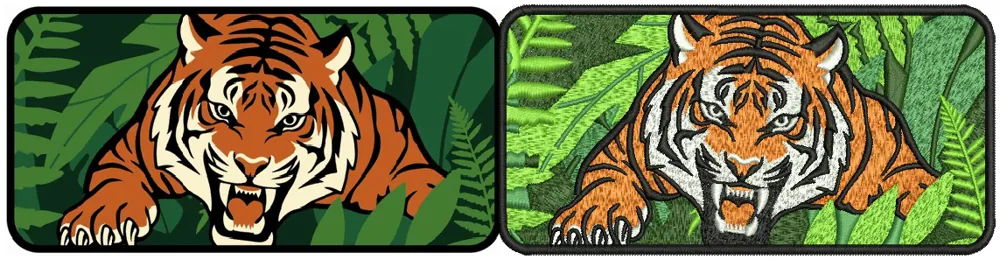
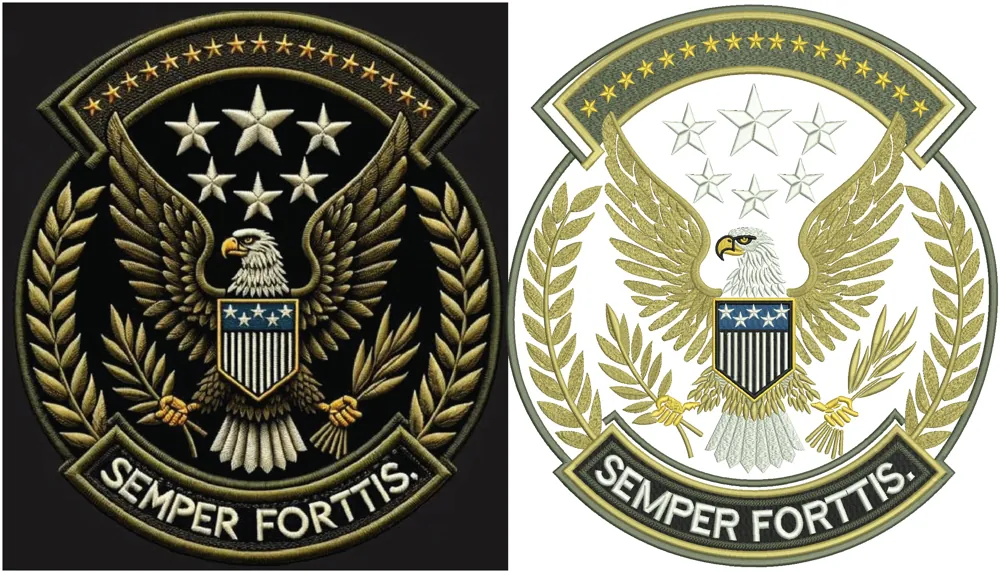
Big varsity letters? Compare with chenille digitizing, or see our jacket back embroidery digitizing. Compare every service on our pricing page or get a quote.
FAQs
Applique Digitizing FAQs
How does the applique digitizing process work with my machine?
What fabrics can you digitize applique for?
Can you combine applique and regular embroidery?
Do you supply cut files for the applique fabric?
Is applique cheaper than full fill embroidery?
What is the best fabric for applique letters?
Ready for Perfect Applique Digitizing?
Send your design — clean tackdowns and crisp cover stitches guaranteed.